
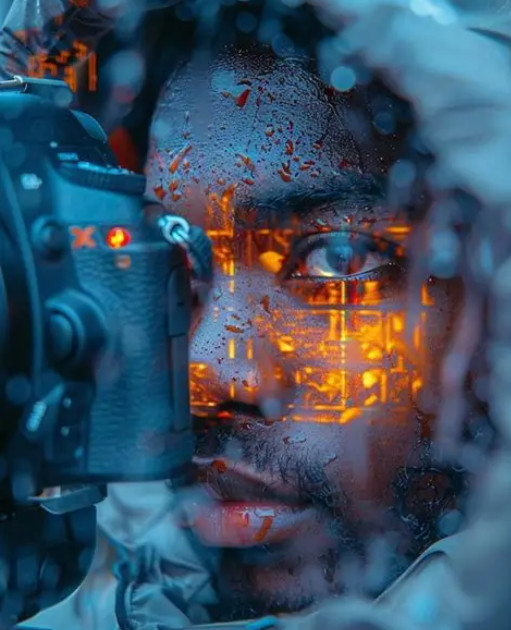
From the first daguerreotypes to the digital revolution, photography has always been about capturing real moments, emotions, and stories. But now, as artificial intelligence (AI) surges into every corner of the visual arts, we must ask: Are we losing the very soul of photography and creative expression?
The AI Invasion: More Than Just a Tool
AI’s rapid rise in image generation and editing is often celebrated as a breakthrough. Platforms like DALL·E, MidJourney, and Stable Diffusion can conjure up hyper-realistic images from a few words. But is this progress, or are we undermining the craft and authenticity that define true photography? The ease and speed of AI-generated images threaten to make the photographer’s eye, patience, and skill obsolete. Why spend years mastering light, composition, and timing when a machine can spit out a “perfect” image in seconds? This isn’t just a shortcut—it’s a fundamental shift away from the artistry and effort that make photography meaningful.
Editing at the Expense of Authenticity
AI-powered editing tools promise to save time and democratize image enhancement. But what do we lose when anyone can erase flaws, swap backgrounds, or upscale images with a click? The line between reality and fiction blurs, and the value of genuine, unaltered moments fades. For those who cherish the integrity of their work, this is not progress—it’s dilution. The proliferation of AI tools risks turning every image into a generic, algorithm-approved product, stripping away the unique vision and voice of the creator.
Deepfakes, Disinformation, and Growing Mistrust
Perhaps the most alarming consequence of AI in visual media is the rise of deepfakes and synthetic images. When AI can fabricate faces, events, and even entire realities, how can we trust what we see? The potential for forgeries, catfishing, and fraud is immense. As AI-generated fakes become more convincing, public trust in photography—and in visual evidence itself—erodes. The very tools meant to “enhance” our creative lives are fueling a crisis of credibility and opening the door to widespread deception.
The Business of Illusion
Businesses are flocking to AI for quick, cheap content: product photos without studios, virtual models for ads, and endless variations for global markets. But at what cost? When brands use AI images instead of real photography, they risk alienating consumers who crave authenticity. Studies show that nearly all consumers want to see real photos and know if AI was involved. Relying on synthetic visuals may save money, but it undermines trust and the emotional connection that only genuine imagery can provide. or Algorithmic?
AI can remix, replicate, and generate, but it cannot truly create. Its “creativity” is limited by the data it’s trained on and the prompts it receives. The spark of inspiration, the personal touch, the story behind the image—these are human qualities that no algorithm can replicate. If we surrender creative control to AI, we risk a future filled with technically flawless but soulless images. True artistry demands more than just efficiency; it requires vision, risk, and authenticity.
Legal and Ethical Minefields
The legal and ethical implications of AI in photography are vast and unresolved. Who owns an AI-generated image? How do we protect privacy when faces and identities can be conjured or manipulated at will? While some regulations are emerging, such as the EU’s AI Act and new labeling requirements, enforcement and consistency remain weak. Without robust safeguards, AI threatens to trample on rights, spread misinformation, and perpetuate bias.
The Case for Resistance
It’s tempting to embrace every new tool that promises speed and convenience. But in the rush to adopt AI, we risk losing what makes photography—and creativity—special. We must resist the urge to let algorithms define our visual culture. Instead, let’s champion authenticity, celebrate imperfection, and defend the irreplaceable value of human vision.
If you’re a photographer, artist, or simply someone who values truth in imagery, now is the time to push back. Use AI thoughtfully, if at all. Demand transparency from brands and platforms. Support policies that protect creative rights and public trust. Above all, keep creating—and keep it real.


